

Contents

On-demand webinar
How Good is My Shield? An Introduction to Transfer Impedance and Shielding Effectiveness
by Karen Burnham
Soldering is a method of connecting two or more objects by melting and adding a filler metal (solder) into the joint. Flux opens the door to this process, making it simpler. It is a substance that prevents oxidation and removes impurities as well as metal oxide build-ups. There are several kinds of flux available with respect to different methods of soldering such as soft, hard, silver, and brazing.
In this article we will cover:
What is flux in PCB soldering?
Soldering flux is a critical element in the assembly of boards. It is the media that cleans the metal surface for a reliable solder joint. In addition to this, it serves the following purposes:
- Cleaning the oxidized layer and the impurities or dirt from the metal surface
- Improving dampening of the surface, that results in filling of the joints properly.
- It prevents the metal surface from further oxidation that happens due to higher temperatures
- It helps the molten solder (filler material) to flow evenly on the board surface.
- It makes the interaction simpler giving the ideal patched joint with no tainting.
These practices are defined in industry standards such as IPC J-STD-001; for the latest updates, refer to the IPC J-STD-001J version.
Flux can exist in different forms such as solid, liquid, or paste/semi-solid as per the requirement. For smaller applications, it is included in the solder wire. But, in the medium and large ones, it is separately applied.
How does flux work?
When metal heats up, oxidation occurs rapidly. It forms the oxidized layer on the metal surface. Flux eliminates the oxidized layer and keeps it from recharging until the development of a bond. It is divided into two parts.
- At low temperatures, it can be applied to the electrical contacts securely because of its non-conducting and non-destructive properties.
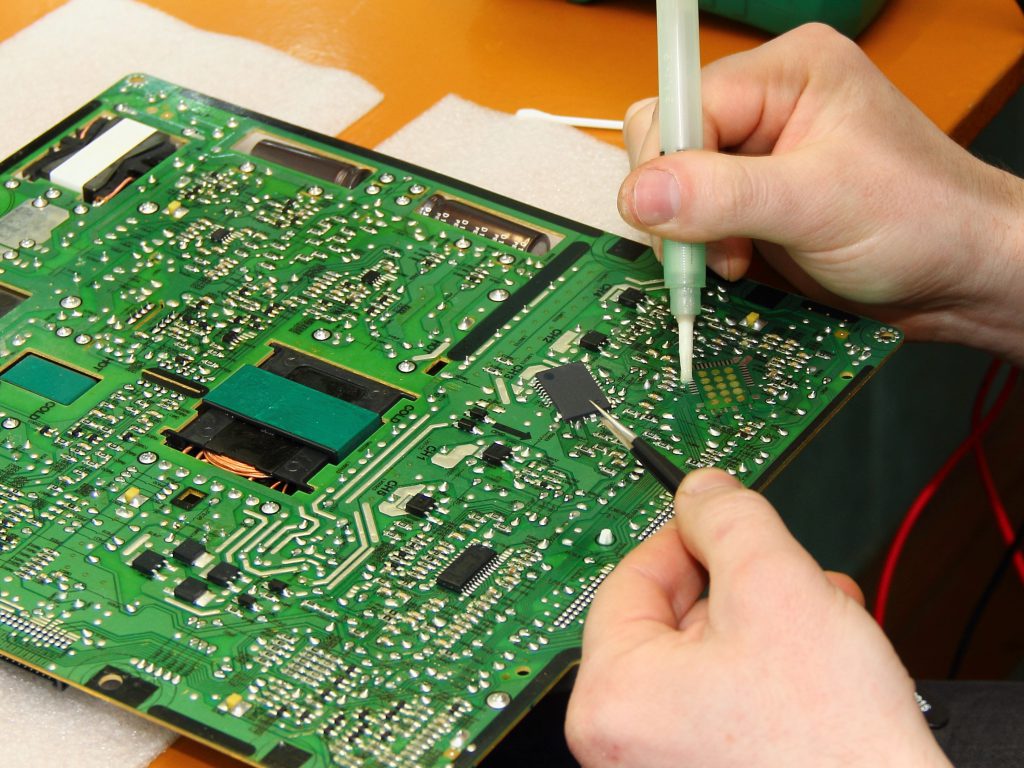
Application of PCB soldering flux 2. At high temperatures, the flux liquefies and becomes corrosive, sweeping out the oxidized particles. It is best to remove the soldering iron soon after melting to prevent evaporation. The picture below illustrates the soldering done with an automated machine.
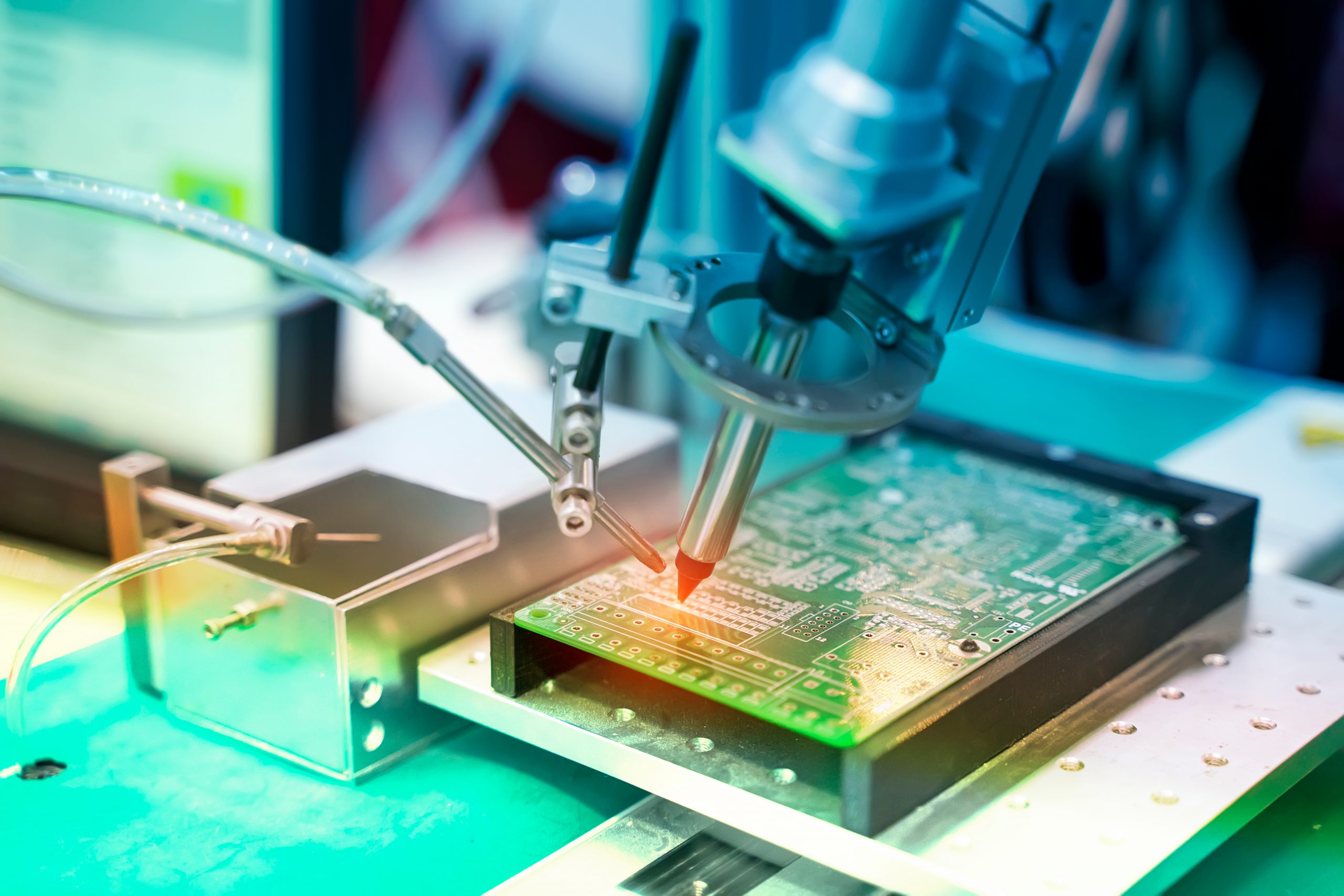
Automated soldering machine How to use solder flux manually?
Soldering flux makes the bond stronger and helps the process to run smoothly. To understand this medium, let’s consider how to use it.
- Selecting the right equipment
It is critical to choose the right one for the job such as rosin flux for electrical, acid flux for pipes, and so on. In the case of PCBs, rosin is the suitable option.
-
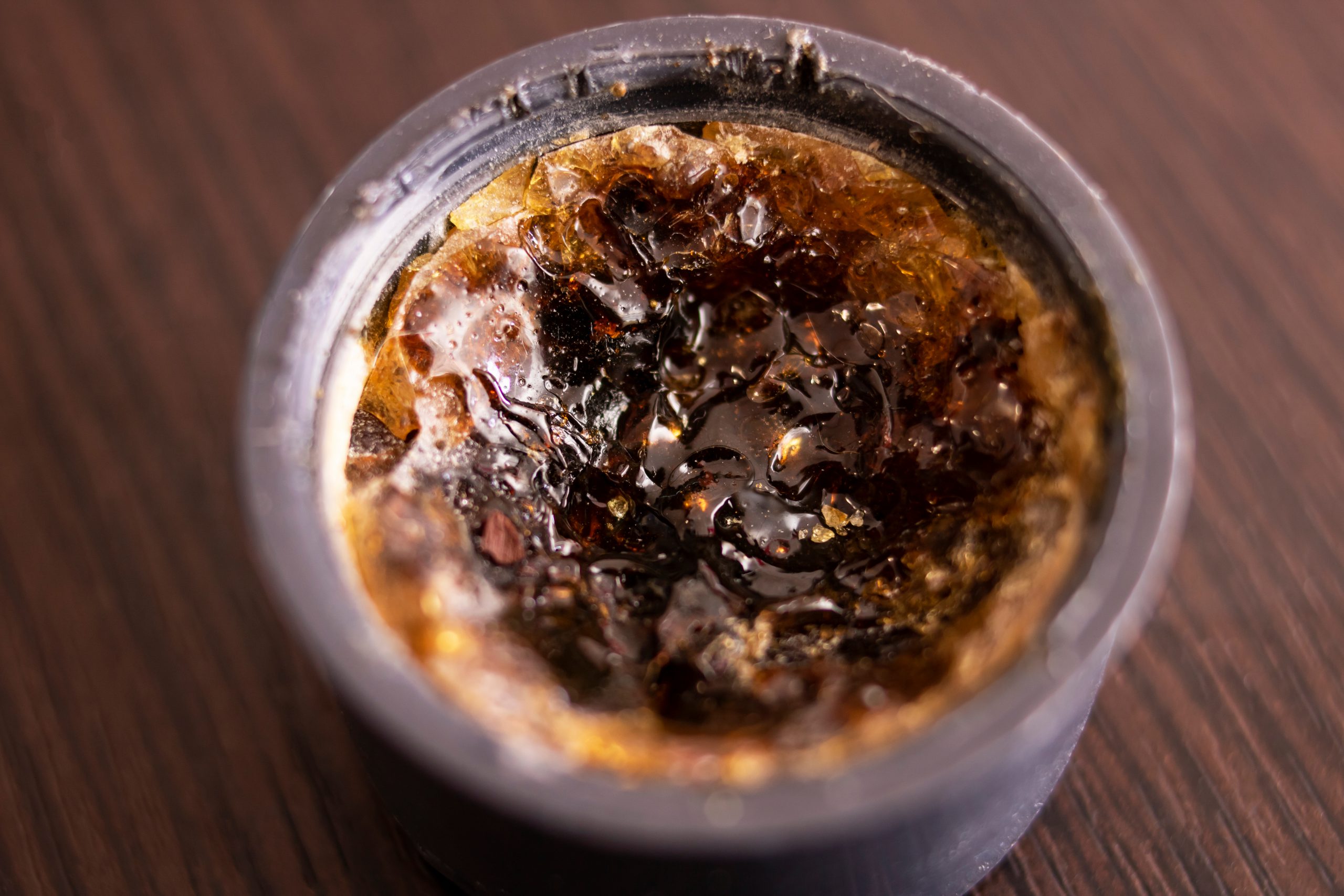
Rosin flux jar - Cleaning the soldering iron
The solder on the iron tip is washed with a damp sponge or a metal chip tin jar till the completion of the process. This is referred to as “tinning”.
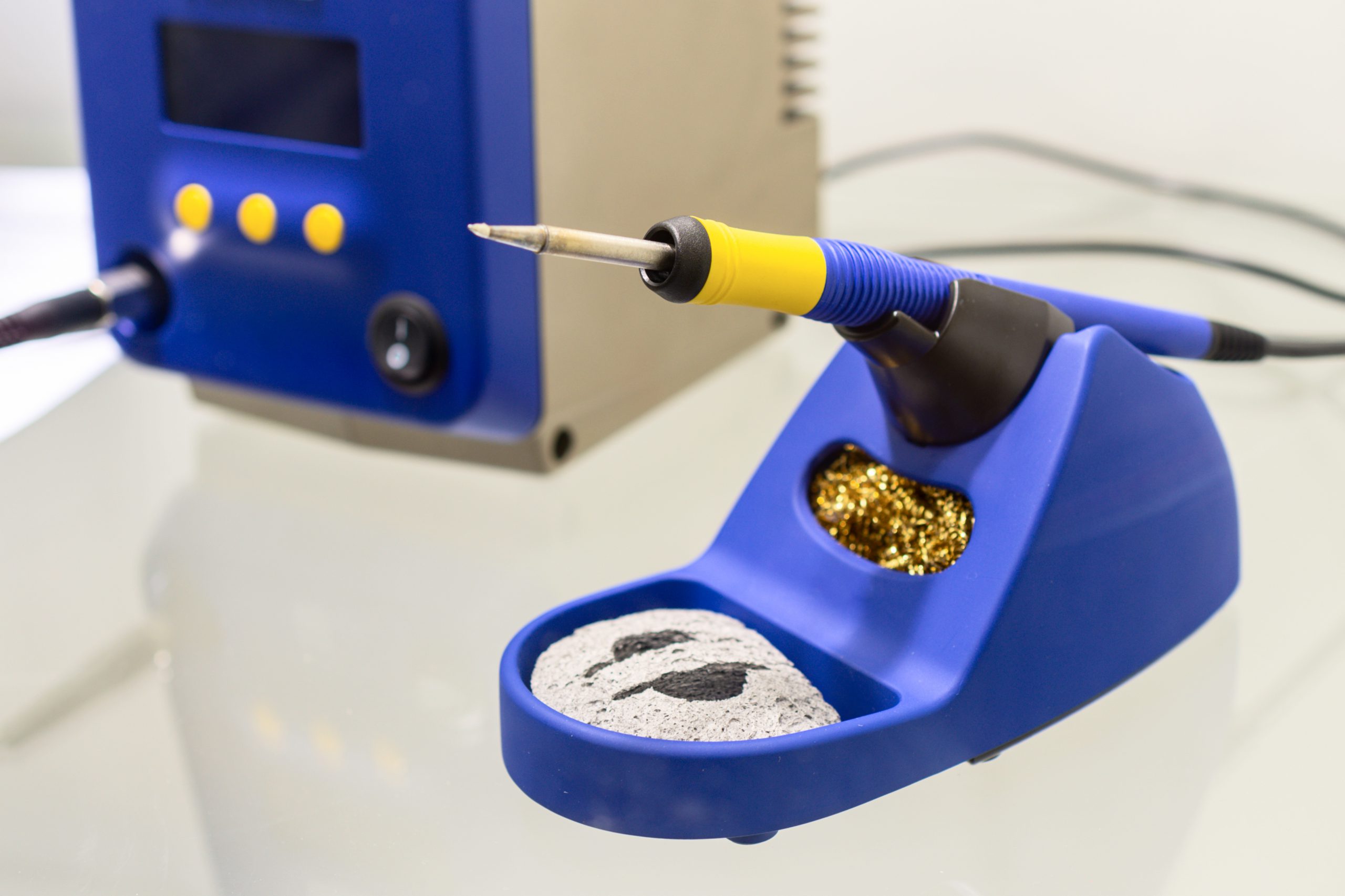
Soldering iron with a tip cleaner - Surface Preparation
This is done in the following manner:
- The surface is cleaned with a cleaning pad or acetone cleaner to remove the dust particles.
- Small components are placed on the boards followed by large ones.
- A clear intertwined pattern is obtained by wrapping the bent ends of the wire.
- Coating the flux
Accessories such as a paintbrush, syringe, pen, and paste are used to coat it on the desired area. It is necessary to spread it on wires fully(on a dedicated area).
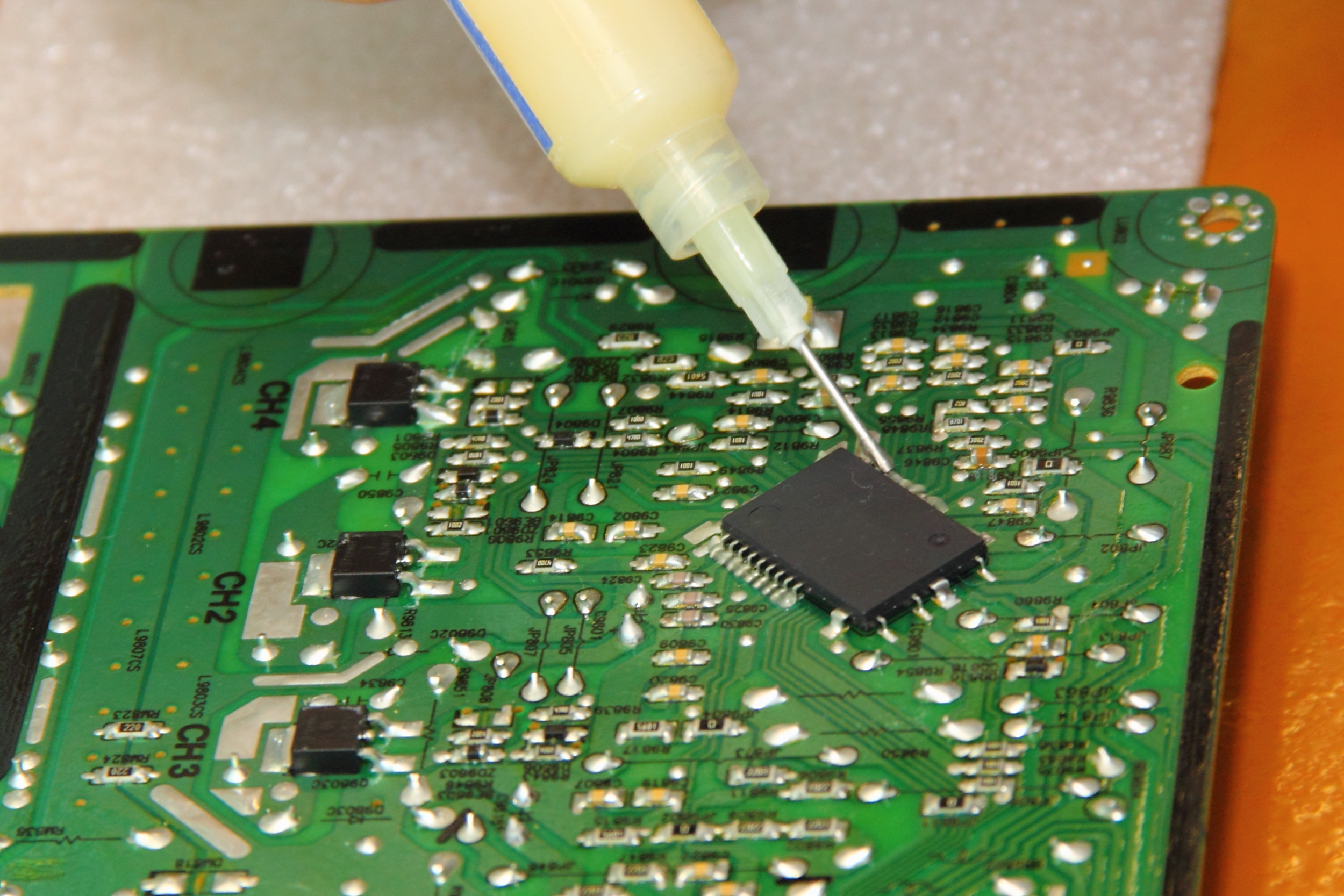 The soldering iron is pushed on the wire, which brings about flux dissolving. It is essential to apply the solder directly after it melts to maintain a specific distance from vanishing. The solder is then applied to the wire in the direction opposite to the iron. The iron is taken away and then the solder solidifies within a few seconds. This is how perfect soldering is attained manually.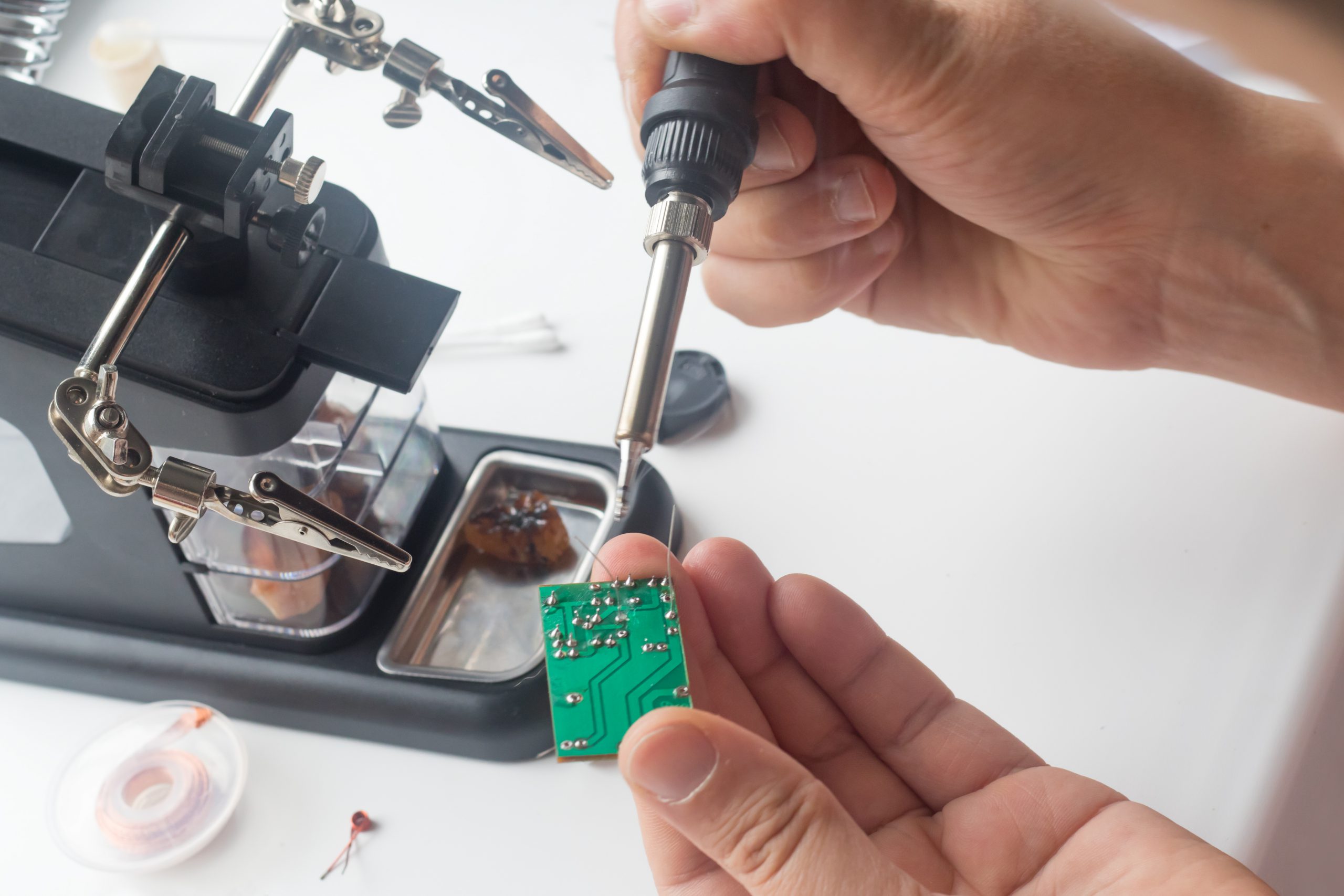
Solder flux used in the PCB assembly
Modern PCB factories use automated soldering machines for assembly. They use solder paste which is a mixture of powdered solder and flux for mounting the components. The workflow is as described below:
- Application of a solder paste
The paste (a mixture of solder suspended in a flux paste) is applied to the stencil (a thin sheet of stainless steel with laser cut holes) that covers the board in the solder paste stencil machine. The solder paste inspection system examines the paste printing quality from all aspects.
Later, the components are picked and placed on it using a pick-and-place machine followed by soldering through a reflow oven.
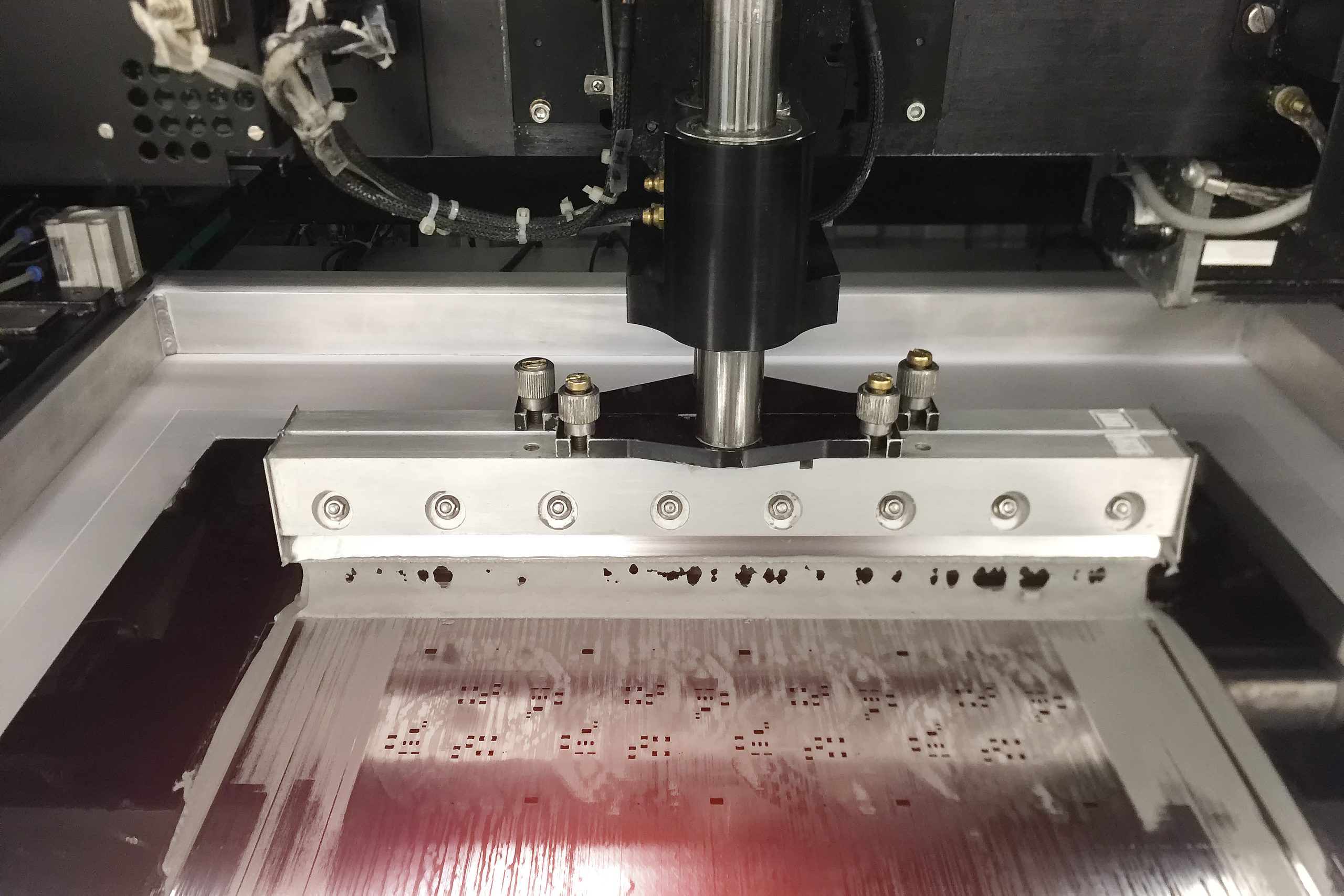
Solder paste applied on a stensil Can solder flux cause a short?
The parameters such as application, design, and coating will define the kind of flux used. Its residue may be held responsible for causing shorts or failures from leakage current.
It should not be allowed to remain on the board to avoid short circuits. It should be cleaned well after the process.
No-clean flux won’t cause any damage since they don’t need any cleaning afterward.
Types of soldering flux
Types of flux differ according to the specification. These include the following forms:
-
Rosin flux
Rosin flux comprises rosin and solvent that is best suitable for clean and easy-to-solder surfaces. It is hard, non-conductive, and corrosion-resistant. Its residue can remain on the surface. There are subtypes for rosin as follows:
Non-activated rosin flux
As these ones don’t have any activators, they can cause a slight deoxidation reaction. They can be used on clean surfaces that have fewer oxidized particles on them. They don’t leave any trace of their presence.
This type is used for PCBs, copper wires, and other such electrical applications.
Rosin mildly activated
These contain mild activators which can clean up to a large extent. They are applied on a relatively dirty surface, leaving a small residue that can be washed off with a flux cleaner to protect the surface.
These are preferred for the solder which contains a high amount of lead in it.
Rosin activated
These fluxes comprise the greatest measure of activator which has a higher cleaning capacity. They are appropriate for the surfaces on which a ton of oxides are available.
These are used in limited electrical components having high-lead alloy due to their corrosive nature.
-
Water-soluble flux
Organic acid flux is another name for water-soluble flux. These are more corrosive and, as a result, remove the oxides faster. Because of their conductive properties, this necessitates cleaning after soldering to eliminate short circuits. Since these are water-soluble, regular water can be used as a cleaner.
These are suitable for leaded through-hole components as well as commercial and military standard mixed-assemblies.
-
No-clean flux
As they don’t need any cleaning, hence termed as ‘no-clean flux’. It will leave a residue on the board surface in some situations, but it will not damage it.
They are widely used in surface-mount PCBs and automated soldering applications.
-
Inorganic acid flux
They are extremely corrosive and contain strong acids like hydrochloric acid (HCl), ammonium chloride (NH4Cl), zinc chloride (ZnCl2), and so on. It is strongly recommended that the surface be thoroughly rinsed due to its corrosiveness.
In copper-pipe soldering and lead-tinning, inorganic acid fluxes are particularly utilized. They are not applied to electrical components, PCBs, etc.
Forms of flux
Flux core solder
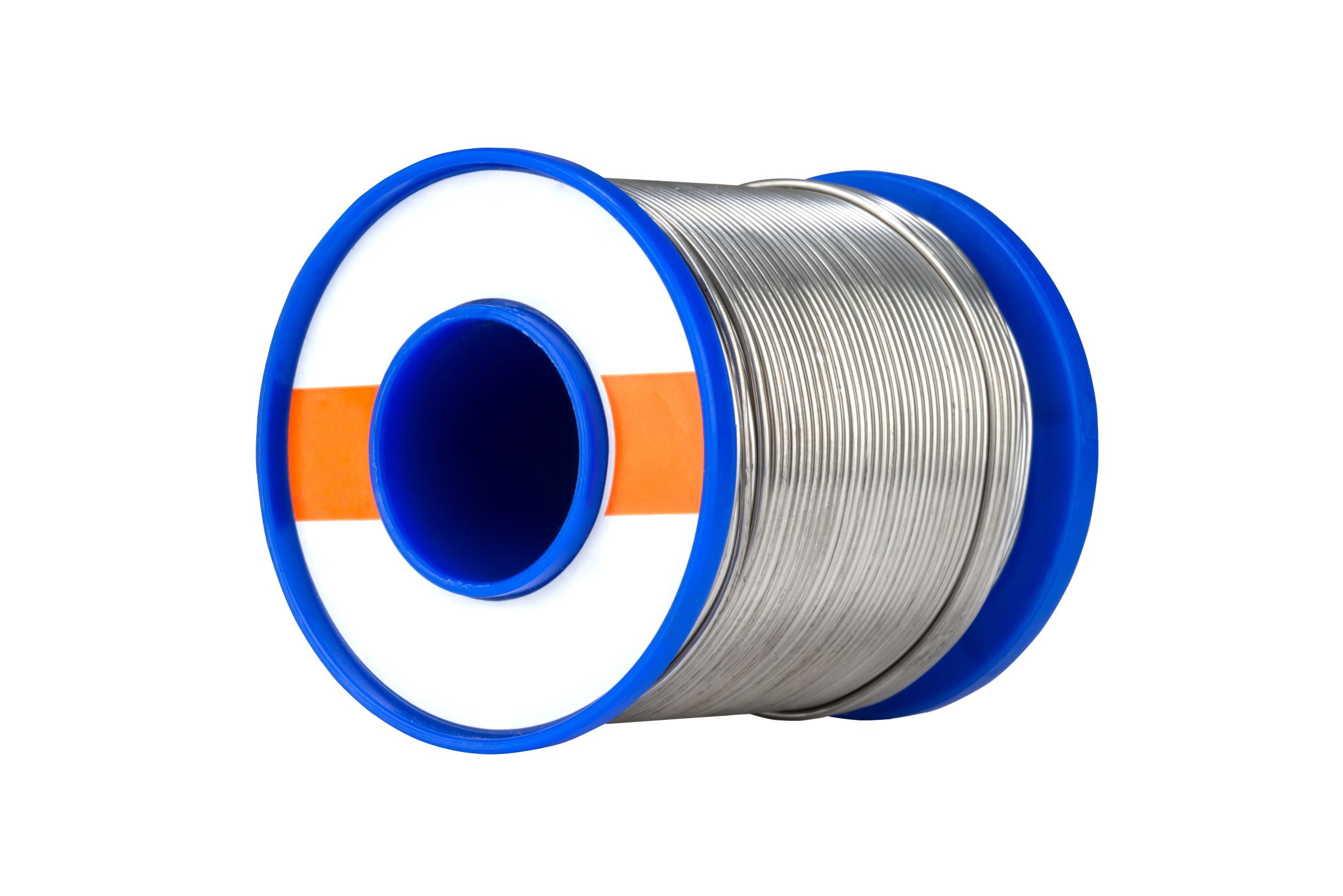
In this type, the flux is contained within the solder wire itself. It gives durability to the solder joints and also improves the electrical contact.
Acid is employed for plumbing similarly, the rosin is used for electronic components. It is a generic alternative for small-scale applications.
Lead-based or lead-free solder may be used. The flux can be no-clean, rosin slightly active, or rosin activated. On the surface of PCBs, rosin leaves a non-corrosive residue.
Liquid flux
The liquid flux can be used with spray, syringe, brush, etc. For a stress-free spread on the boards, these accessories are pre-filled with flux. It allows for an even flow across the specified area, preventing surface corrosion. It’s mainly used for soldering surface-mount devices (SMDs).
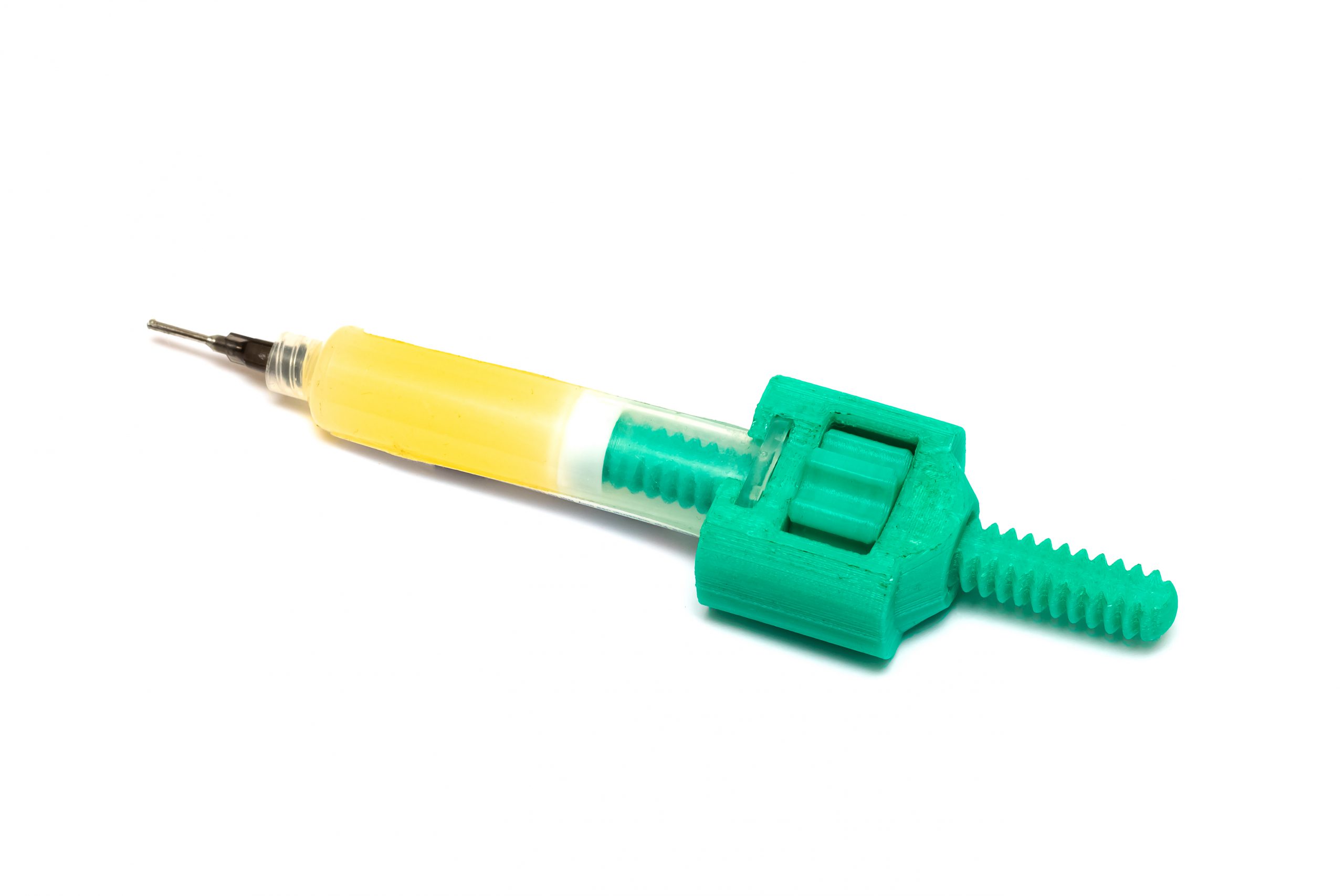
Solder flux paste
The flux is mixed into a paste and can be used effectively in this form. Depending on the form of solder, the paste will have different compositions. The most common form of solder paste is rosin paste. Chemicals may be added to the paste depending on the case.
Please note, solder paste (In PCB factories), and solder flux paste (manual soldering) are the same. The composition of the solder paste varies according to the use.
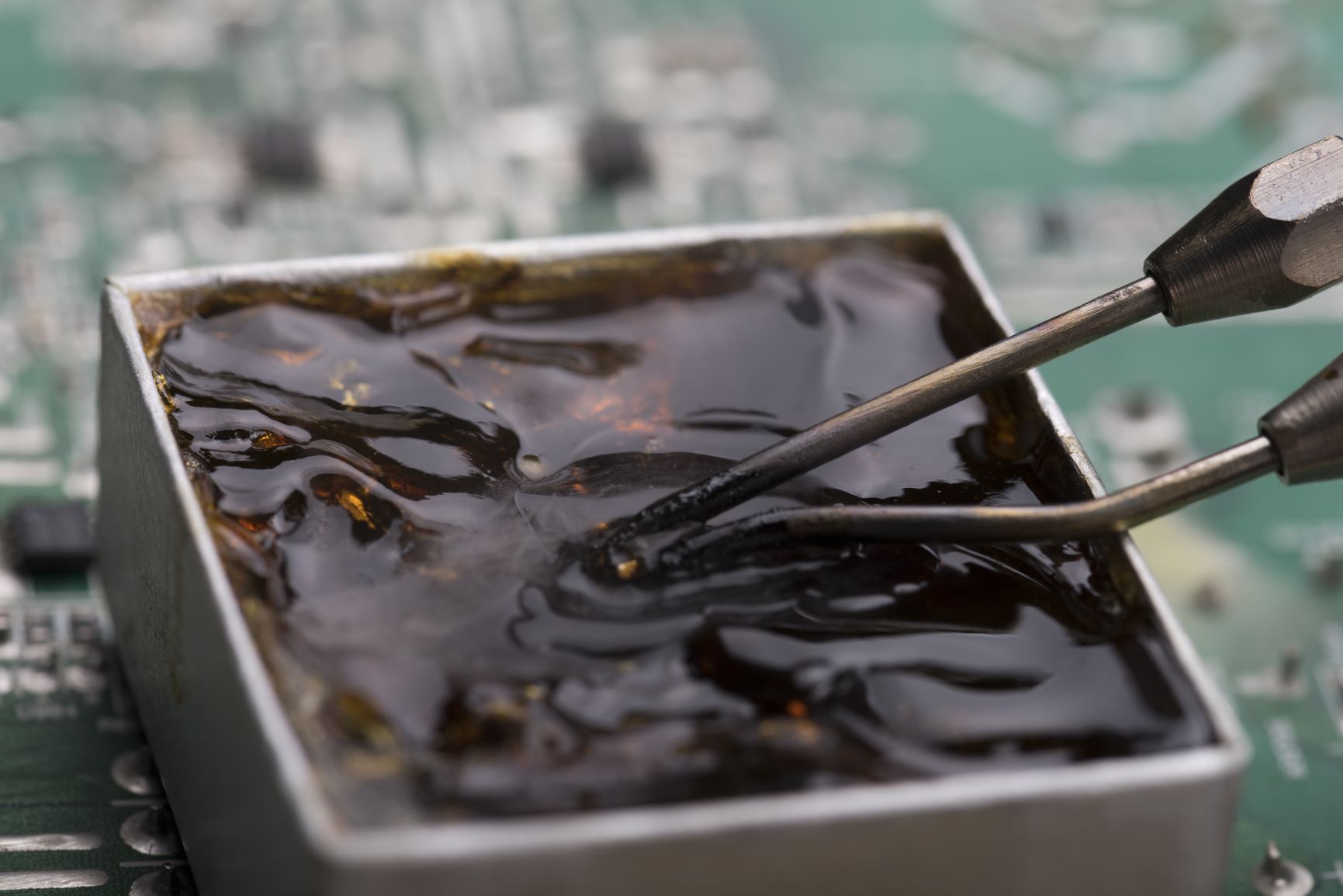
Solder flux paste Best flux for electronic components
Rosin-based flux is the best option to employ for electronic components. It is not fragile and has got sufficient cleaning capacity, which is the best fit for PCBs and electronic parts. Though it leaves a residue, it is not harmful to the surface and can be washed with a suitable cleaner.
No-clean flux eliminates the extra effort to remove the residue, so can be chosen.
But when it comes to PCBs, the rosin and its subtypes are the top solutions.
Significance of flux in soldering
Finally, after analyzing all of the potential reasons, many manufacturers or individuals prefer to use flux. If we don’t use flux before soldering, we will end up damaging the PCB. It is compulsory to go through it unless we are just practicing the process.